


Looking For Inclusive Activities for Kids with Disabilities? Here Are 10 Things You Should Know

Finding the right activities for kids with disabilities can sometimes feel like trying to solve a puzzle with missing pieces. You want something fun, engaging, and social, but you also need it to be safe and accessible. At Aid Another, we know that every child deserves the chance to play, learn, and grow alongside their peers.
Inclusion isn’t just about making sure a child can get through the door; it’s about making sure they feel like they belong once they’re inside. Whether you are a parent, a teacher, or a community volunteer, understanding how to craft these experiences makes all the difference.
Here are 10 essential things you should know about inclusive activities to help every child shine.
1. Focus on Strengths, Not Just the Diagnosis
It’s easy to look at a diagnosis and see a list of things a child might struggle with. But at Aid Another, we prefer to flip the script. Every child has a "superpower": something they’re naturally good at or absolutely love.
When you’re planning an activity, start by asking: "What is this child great at?" If they have an incredible eye for detail, maybe they lead the way in a scavenger hunt. If they love rhythm, they could be the "heartbeat" of a music circle. Building on these strengths doesn’t just make the activity more successful; it builds the child’s confidence. When kids feel capable, they are much more likely to engage and try new things.
2. Design Sensory-Friendly Spaces
The environment can be the biggest barrier to inclusion. A room that feels "normal" to us might feel like a chaotic storm of noise and bright lights to a child with sensory processing sensitivities.
To create a truly inclusive space, think about the sensory input. Can you dim the overhead fluorescent lights? Is there a way to dampen loud echoes? Creating "zones" is a great trick. You might have a high-energy movement zone in one corner and a "cool-down" quiet zone with soft pillows and weighted blankets in another. This allows kids to participate at their own pace and step away if they start to feel overwhelmed.

3. Visual Supports Are Your Best Friend
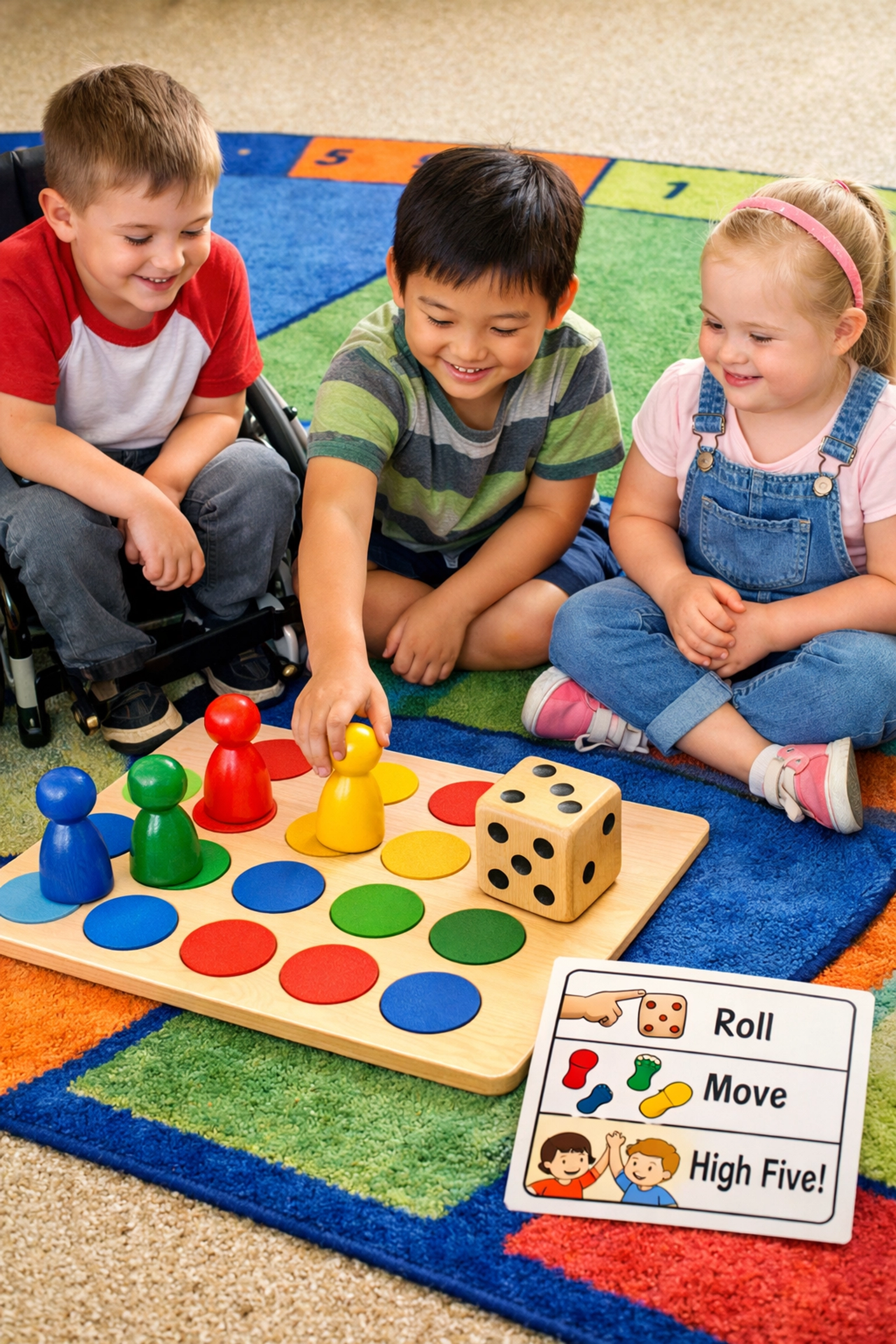
Communication is key, but it doesn’t always have to be verbal. Many children with disabilities benefit from seeing what’s coming next. Using visual schedules: simple pictures that show the order of activities: can significantly reduce anxiety.
"Social stories" are another fantastic tool. These are short, simple descriptions of a particular situation or activity, helping a child understand what to expect and how to act. For example, if you’re planning a group game of tag, a quick social story with pictures can explain the rules and the goal of the game before it even starts. Research shows that these visual interventions help kids stay engaged and feel much more comfortable in social settings.
4. Let Their Interests Lead the Way
If you want a child to be fully engaged, tap into what they already love. We call this "The Hook." If a child is obsessed with trains, why not turn a math game into a "train station" tally? If they love a specific cartoon character, use that character to explain the rules of a science experiment.
When activities are centered around a child's specific interests, their motivation skyrockets. It transforms a "task" into "play." It also shows the child that you value who they are and what they care about, which is the foundation of a strong, trusting relationship.
5. Embrace Adaptive Physical Activities
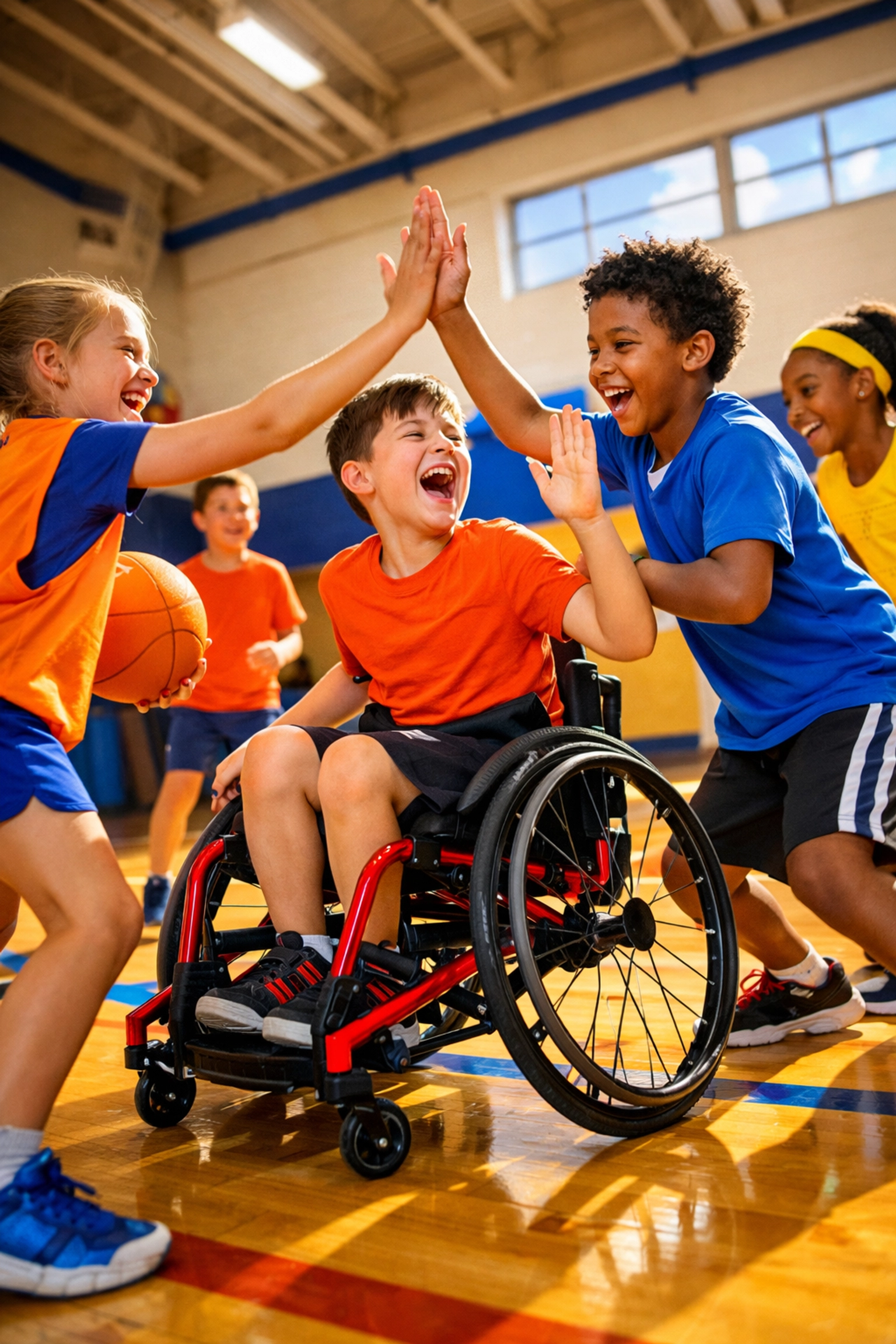
Physical activity is vital for health, coordination, and social skills, but traditional sports aren't always a one-size-fits-all solution. Only about 42% of children with autism meet the recommended levels of physical activity, often because the right options aren't available.
This is where adaptive sports come in. Think wheelchair basketball, therapeutic horseback riding, or modified yoga. Even simple games like "Simon Says" can be adapted using visual cards. Adaptive physical activity isn't just about the "exercise": it’s about the team spirit and the joy of moving your body in a way that feels good.
6. The Power of Music and Art
Art and music are universal languages. They offer a way for children to express themselves without needing to find the perfect words. In an inclusive setting, music therapy can help with rhythm and coordination, while art projects allow for sensory exploration.
The key here is "process over product." It doesn’t matter if the painting looks like a masterpiece or if the song is perfectly on key. What matters is the exploration of textures, sounds, and colors. Music and art are naturally flexible; they can be done individually or as a group, making them perfect for kids with varying levels of social comfort.
7. Structured Group Games Build Social Skills
Socializing can be tough, but structured games provide a "roadmap" for interaction. Games that require turn-taking, like simple board games or modified charades, help kids learn patience and how to read body language.
When playing group games, try to use clear cues. For a game of tag, maybe the person who is "it" wears a bright neon vest so everyone knows exactly who to watch. By adding these small, clear indicators, you take the guesswork out of the social interaction, allowing the kids to focus on the fun rather than the stress of "what do I do now?"
8. Flexibility and the "Recharge" Break
One of the most important things to know is that it’s okay to take a break. Inclusion doesn’t mean a child has to be "on" for the entire duration of an activity. Flexibility is the secret sauce.
Allowing for movement breaks: a quick dance-off or a few minutes on a sensory swing: can help a child regulate their energy. Similarly, always have an "exit strategy" or a quiet place where a child can go to recharge without feeling like they’ve "failed" or are being punished. Being flexible with time and expectations shows that you respect the child’s unique needs.
9. Inclusion Fosters a Sense of Belonging
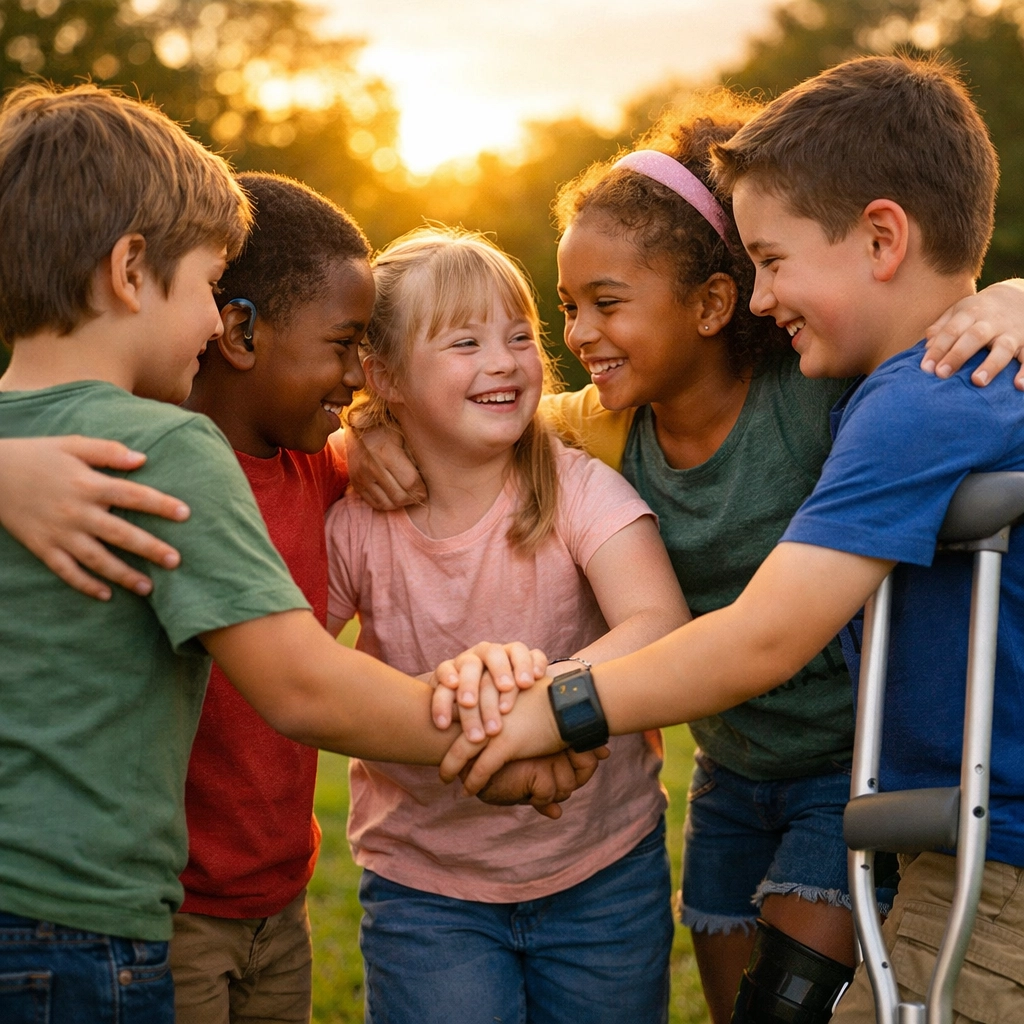
Inclusion isn't just a "nice to have" feature; it's a fundamental human need. When kids with disabilities are included in community activities, it changes the perspective of everyone involved. It teaches neurotypical peers about empathy, diversity, and the fact that "different" isn't "less."
A sense of belonging is a powerful booster for self-esteem. When a child sees themselves represented and welcomed in their community: whether it’s at a local museum, a summer camp, or a neighborhood playgroup: it tells them that they are a valued part of the world.
10. The "Trial and Error" Mindset
Finally, remember that inclusion is a journey, not a destination. What works one day might not work the next, and that’s okay! The best inclusive programs are those that are willing to reassess and adjust constantly.
If an activity isn't clicking, don't be afraid to change it on the fly. Ask for feedback from the kids (if they are verbal) or observe their cues. Are they bored? Are they frustrated? Use those observations to tweak the activity for next time. The goal isn't perfection; it's progress and participation.
Final Thoughts
At Aid Another, we believe that every child in our community deserves access to high-quality, inclusive fun. By keeping these ten things in mind, you can help create an environment where children of all abilities feel seen, heard, and celebrated.
Whether it's finding an adaptive sports league in Virginia or simply setting up a sensory-friendly craft table at home, every small step toward inclusion makes a huge impact. Let's keep working together to make sure no child is left on the sidelines!
Comments